
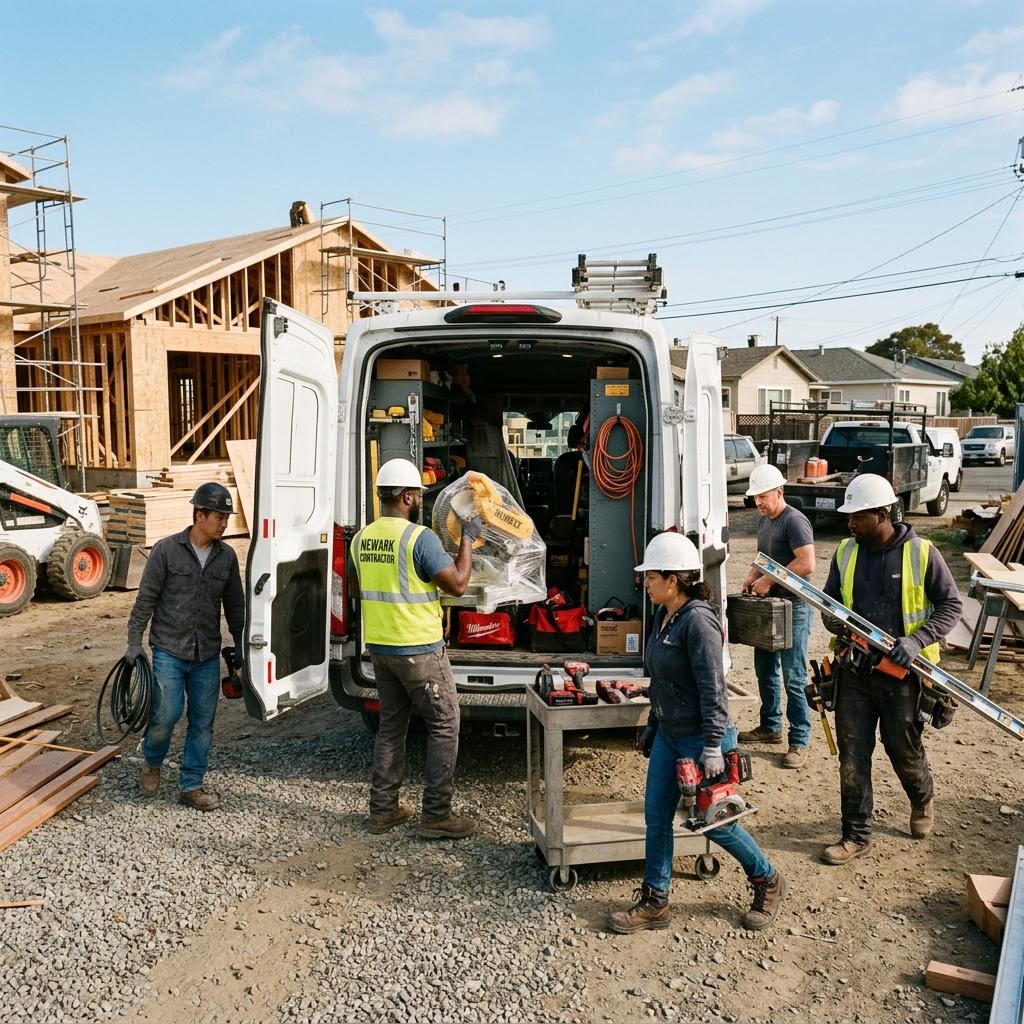
For trades and contracting businesses operating in Newark, California, the ability to execute projects safely, efficiently, and profitably is inextricably tied to the quality of their equipment. Whether you are an electrical contractor outfitting a fleet of service vans, a heavy civil contractor requiring excavators, or a specialized plumbing firm needing advanced diagnostic cameras, physical assets are the tools of revenue generation. Relying on aging, unreliable equipment leads to project delays, increased maintenance costs, and a damaged reputation in a highly competitive local market.
However, the cost of acquiring commercial-grade machinery and fleet vehicles is immense. For many Newark contractors, paying cash for these assets is not only difficult; it is strategically dangerous. Tying up massive amounts of liquidity in physical assets leaves the business vulnerable to the unpredictable cash flow cycles inherent in construction. To expand capabilities while protecting operating cash, successful trades businesses frequently rely on equipment financing.
Contractor-Specific Capital Pressures in Newark
Contracting businesses in Newark, California face intense working capital pressures driven by the structure of project billing. Contractors must frequently purchase materials, pay crews, and cover insurance costs weeks or months before a client settles a progress invoice or releases retainage. This delay creates a persistent drain on the operating account.
If a contractor uses their available cash to purchase a $60,000 piece of heavy machinery outright, they may find themselves unable to meet payroll on a major project the following month. The central financial challenge for trades businesses is maintaining enough liquidity to float the gap between executing the work and getting paid for it. Equipment financing solves this specific problem by allowing the business to acquire necessary assets immediately while spreading the cost over the lifespan of the equipment.
How Equipment Financing Works for Contractors
Equipment financing is a highly specific commercial lending structure. The defining characteristic is that the asset being purchased—whether it is a backhoe, a CNC plasma table for a fabrication shop, or a fleet of branded service trucks—serves as the primary collateral for the loan.
Because the lender holds a secured lien on a tangible, resalable asset, their risk is lower compared to extending an unsecured working capital loan. This inherent security often results in more accessible underwriting, lower down payment requirements (depending on underwriting criteria), and favorable interest rates. The contractor repays the principal and interest over a fixed term, over a set timeframe. Once the loan is fully paid, the contractor owns the asset free and clear.
This structure creates a direct alignment between debt and revenue: the new equipment is deployed onto Newark job sites, generating the revenue required to cover its own monthly loan payment.
Common Uses of Funds in the Trades
In the Newark, California contracting sector, equipment financing is deployed across a wide spectrum of physical assets. It allows firms to bid on larger, more complex projects that require specialized tools they previously lacked.
- Acquiring heavy construction machinery, including excavators, skid steers, and scissor lifts.
- Outfitting a fleet of commercial service vehicles or heavy-duty work trucks.
- Purchasing specialized fabrication equipment for HVAC, plumbing, or electrical shops.
- Financing high-value diagnostic technology, surveying tools, or scaffolding systems.
A Newark, California Contracting Scenario
To illustrate the mechanics of this financing, consider a hypothetical scenario involving an established, mid-sized plumbing and pipeline contractor in Newark, California. The company has an opportunity to secure several lucrative municipal contracts for underground pipeline inspection and repair. However, to execute the work, they must acquire a specialized, high-definition sewer inspection crawler system, which costs $85,000.
The owner has the cash to buy the system outright, but doing so would severely deplete their working capital right as they need to ramp up hiring for the new municipal contracts. Instead, the owner applies for equipment financing through a commercial lender.
The lender reviews the company's solid financial history and might approve the loan with a required down payment. The company takes delivery of the crawler system and immediately deploys it on the municipal jobs. The revenue generated from these new contracts is designed to cover the fixed monthly equipment loan payment. The contractor expanded their service capabilities, secured new revenue, and protected their critical operating cash reserves. (Note: This is an illustrative example meant to explain the mechanics of equipment financing. Actual approval, rates, and terms depend entirely on lender underwriting guidelines and the borrower’s credit profile.)
Qualification and Documentation Preparation
Because the loan is secured by the asset, lenders will scrutinize both the financial health of the contracting business and the value of the equipment being purchased. Lenders prefer assets that hold their value well and have a strong secondary market.
Newark contractors should prepare a comprehensive financial package, including recent corporate tax returns, year-to-date Profit and Loss statements, and a current Balance Sheet. Crucially, the contractor must provide a detailed invoice or formal quote from the equipment vendor specifying the make, model, and total cost of the asset. Lenders will also review the personal credit profile of the owners.
Cash-Flow and Payment Considerations (Tradeoffs)
The primary advantage of equipment financing is the preservation of working capital. Converting a massive upfront capital expense into a predictable monthly operating expense stabilizes cash flow. However, the tradeoff is that the business is committing to a fixed liability regardless of market conditions. If the local Newark construction market slows down and the equipment sits idle in the yard, the monthly loan payment must still be made.
Furthermore, the contractor is entirely responsible for all commercial insurance, maintenance, and repairs on the equipment while the lender holds the lien. Owners must also carefully match the term of the loan to the physical lifecycle of the equipment. Financing a heavily used skid steer over seven years is dangerous if the machine requires major engine overhauls by year four; the business would be paying debt on an asset that is actively costing money to repair.
Comparison Questions and Responsible Next Steps
Before finalizing an equipment finance agreement, Newark contractors should ask specific questions: What is the exact interest rate, and is it fixed for the duration? Are there prepayment penalties if the company pays off the loan early after a highly profitable quarter? Will the lender finance 'soft costs' like delivery, taxes, or specialized attachments?
By carefully evaluating the ROI of every new asset and aligning the financing term with the equipment's useful life, trades and contracting businesses in Newark, California can build powerful, capable fleets that drive long-term profitability.