
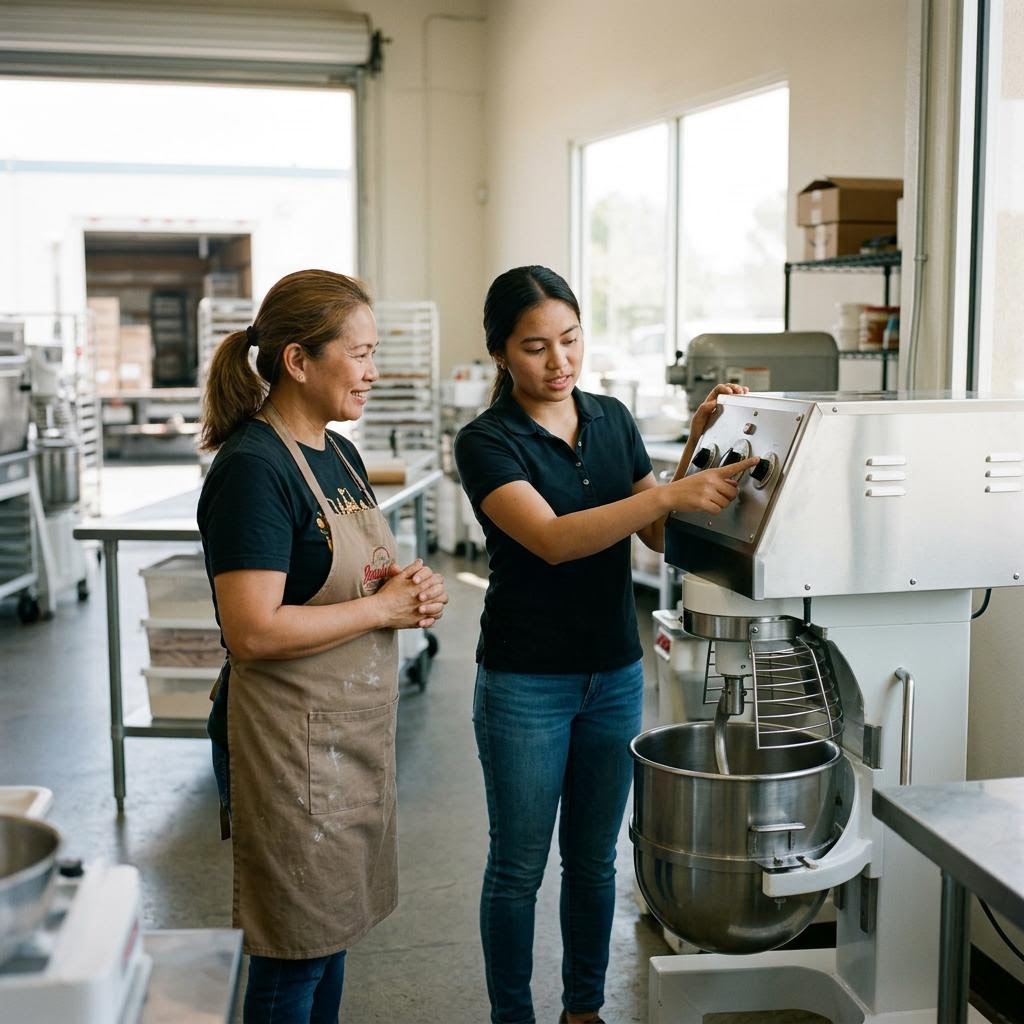
The Structure of Equipment Financing
For many industrial, medical, and service-based businesses, growth is inextricably tied to physical assets. From specialized medical lasers to heavy-duty CNC machines, acquiring new equipment is a prerequisite for increasing capacity and revenue. Equipment financing is a specific commercial lending structure designed to make these acquisitions manageable for businesses operating in Newark, California.
The defining characteristic of equipment financing is that the asset being purchased serves as the primary collateral for the loan. Because the lender holds a lien on the specific piece of equipment, their risk is lower than if they were extending an unsecured working capital loan. This inherent security typically translates into more accessible approval standards, lower down payment requirements, and favorable interest rates for the borrower.
In a standard arrangement, the lender covers the majority of the equipment cost—often between 80% and 100%—and the business repays the principal and interest over a fixed term. Once the final payment is made, the business owns the asset outright, free of any liens.
Evaluating the Business Need in Newark
Equipment financing is a highly practical tool, but it requires careful strategic alignment. Business owners must evaluate whether the new asset will directly contribute to the bottom line by increasing production efficiency, allowing the business to offer a new highly-demanded service, or replacing an older machine that is causing costly downtime.
For a manufacturing plant in Newark, upgrading an assembly line via equipment financing makes sense if the increased throughput clearly exceeds the new monthly debt service. For a logistics company, financing new trucks is a direct path to accepting more freight contracts. The key is ensuring that the asset is revenue-producing rather than purely administrative.
Owners must also verify the projected useful life of the equipment. A cardinal rule of asset finance is that the term of the loan should never exceed the usable lifespan of the machine. Financing a specialized computer server over seven years is dangerous if the technology will be obsolete in three, leaving the business paying for an asset it must replace.
A Newark, California Equipment Financing Scenario
To ground this in reality, consider a hypothetical scenario involving a growing HVAC contracting business in Newark, California. The company has secured several lucrative commercial maintenance contracts across the East Bay, but they are limited by their current fleet of service vehicles. To fulfill the new contracts, they urgently need to acquire three fully outfitted commercial service vans.
Purchasing the vehicles outright would severely deplete the company’s operating cash, leaving them vulnerable if a major client delays payment. Instead, the owner applies for equipment financing through a commercial lender specializing in fleet vehicles. The lender reviews the company’s financials and the specifications of the new vans, agreeing to finance 90% of the purchase price over a five-year term.
The contracting business pays a manageable 10% down payment and takes delivery of the vans. The new vehicles immediately deploy to service the new commercial contracts, generating revenue that easily covers the monthly loan payments, fuel, and insurance. The business expands its capacity without draining its liquid reserves. (Note: This is an illustrative example meant to explain equipment financing mechanics. Actual approvals, down payments, and rates depend on the borrower’s credit profile and lender criteria.)
Documentation and Preparation
Because the equipment secures the loan, the lender’s focus is divided between the financial health of the business and the value of the asset being purchased. Consequently, the required documentation reflects both sides of the transaction.
Preparation requires organizing your standard financial reporting while also gathering precise details about the equipment from the vendor or manufacturer.
- Provide current business tax returns and year-to-date Profit and Loss statements.
- Acquire a detailed, formal quote or invoice from the equipment vendor detailing the make, model, and purchase price.
- Provide specifications on the expected useful life and depreciation schedule of the asset.
- Prepare a brief narrative explaining how the equipment will generate additional revenue or reduce operating costs.
Cash Flow Considerations and Tradeoffs
The primary benefit of equipment financing is the preservation of working capital. By spreading the cost of a massive acquisition over several years, a business protects its daily liquidity, ensuring it can still meet payroll and purchase inventory without stress.
However, there are tradeoffs. First, the business is committing to a fixed monthly liability regardless of how frequently the equipment is actually used. If a Newark manufacturer buys a machine for a specific contract and that contract is cancelled, the machine must still be paid for. Second, the business is responsible for all maintenance, insurance, and repairs on the equipment, even while the bank holds the lien.
Furthermore, owners must consider the 'soft costs' associated with equipment acquisitions. Delivery fees, specialized installation (such as upgrading the electrical panel in a facility), and staff training can add significantly to the total cost. Some lenders allow soft costs to be rolled into the loan up to a certain percentage, but others require these to be paid out-of-pocket.
Questions to Ask an Equipment Lender
When evaluating an equipment financing offer, Newark owners must look closely at the terms to ensure flexibility and clarity regarding the lien.
- What percentage of the total purchase price, including soft costs like installation and shipping, will the loan cover?
- Does the lender require a blanket lien on the entire business, or is the lien strictly limited to the specific equipment being purchased?
- Are there any prepayment penalties if the business decides to pay off the equipment early?
- How quickly can the lender fund the vendor once the loan is approved?
Responsible Growth in Newark
Equipment financing is a highly strategic tool that allows businesses to scale their capabilities without crippling their cash flow. Whether you are a local contractor, a medical professional, or an industrial manufacturer, the ability to acquire modern, efficient assets is often the deciding factor in maintaining a competitive edge.
For businesses in Newark, California, careful planning is paramount. By ensuring the loan term matches the asset’s lifecycle and that the new equipment will generate clear, measurable revenue, business owners can use asset financing to build long-term operational strength and enterprise value.