
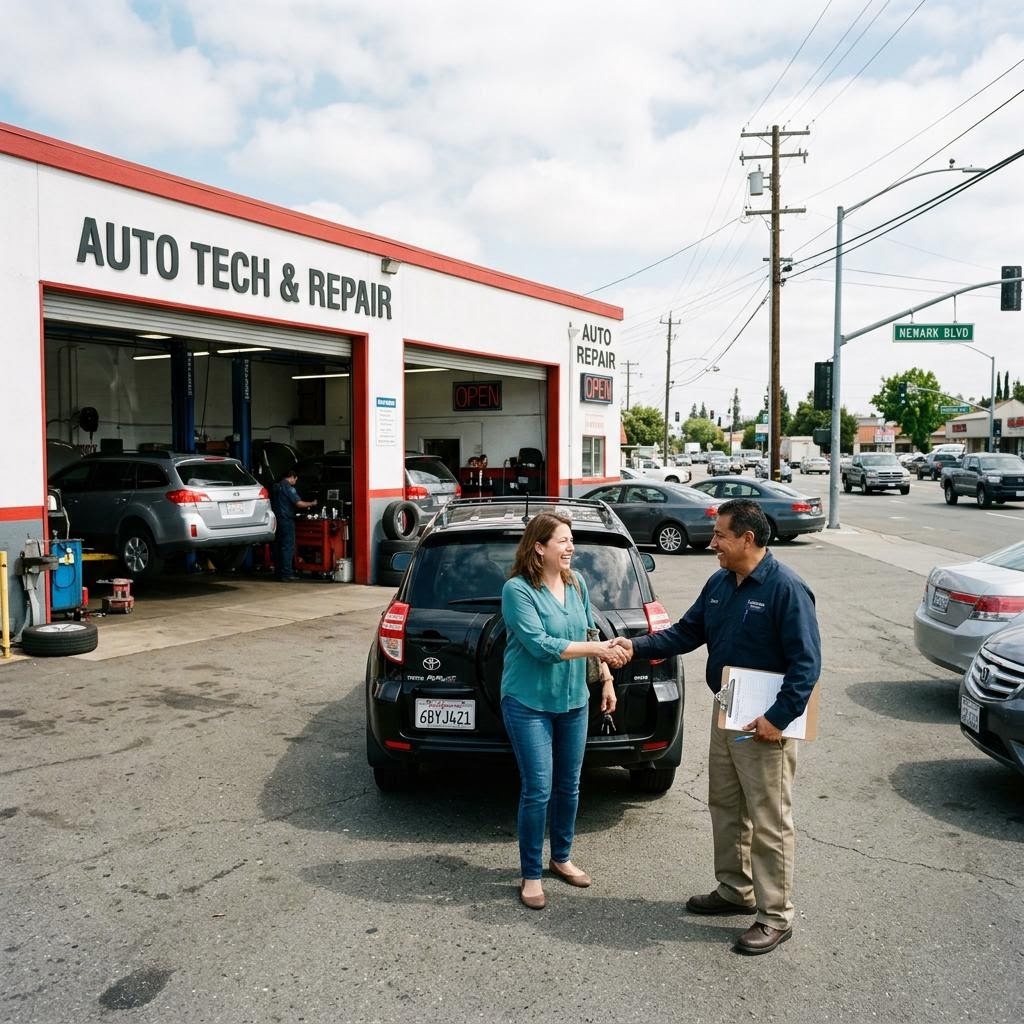
Evaluating the Newark Boulevard Corridor in Newark, California, means looking at how local commerce flows and whether a site can serve as a hub for automotive businesses. For independent repair shops, collision centers, specialty aftermarket installers, and local dealerships, assessing potential visibility and verifying local traffic volume is a critical planning step. However, running a successful automotive business requires far more than finding a viable location; it requires significant, ongoing capital investment.
The automotive industry is incredibly capital-intensive. The cost of commercial space large enough to house multiple service bays, the constant need to upgrade highly specialized diagnostic equipment, and the requirement to maintain a comprehensive inventory of parts all put pressure on cash flow. For shop owners and auto entrepreneurs along the Newark Boulevard Corridor, navigating these financial demands is the key to maintaining profitability and staying competitive in an evolving industry.
The Newark Boulevard Auto Landscape
Before operating along the Newark Boulevard Corridor, owners must ask: will the specific site provide high visibility to daily commuters and local residents? If so, business owners must project how much this potential visibility might drive baseline revenue, because the cost of operating—including rent, property taxes, and verified municipal compliance—can be significant. The businesses that thrive are those that maximize the revenue generated per square foot of their facility.
For an auto repair shop, this means keeping service bays full and technicians working efficiently. If a bay sits empty because you are waiting on parts you couldn't afford to stock, or because you lack the diagnostic tool needed for a modern vehicle, you are losing money. Capital constraints in the automotive world directly translate to lost revenue capacity.
When entering a funding discussion, it is vital to communicate this reality. You are not just asking for money; you are asking for the capital necessary to keep your bays turning and your technicians billing. A lender needs to see that an investment in your shop will result in increased operational throughput.
Upgrading Diagnostic and Repair Equipment
The complexity of modern vehicles is advancing rapidly. Today's cars are essentially rolling computers, requiring sophisticated diagnostic scanners, alignment machines, and specialized lifts to service properly. An auto shop relying on outdated tools will quickly find itself turning away lucrative repair jobs.
Equipment financing is the standard solution for these necessary upgrades. This loan structure is highly practical for automotive businesses because the equipment itself serves as the collateral. This often results in more favorable interest rates and keeps your general working capital free for daily operations like payroll and utilities.
When exploring equipment financing, it is crucial to calculate the Return on Investment (ROI) of the specific machine. If a new alignment rack costs $40,000, calculate how many alignments you need to perform monthly to cover the debt service and generate a profit. This clear mathematical approach will both reassure a lender and validate your business decision.
Managing Parts Inventory and Working Capital
A major drag on an automotive shop's cash flow is parts inventory. While you can order some parts on demand, having high-turnover items—like specific oil filters, brake pads, and common sensors—in stock is essential for turning cars around quickly. Tying up cash in inventory, however, means that cash is not available for other immediate needs.
Working capital loans or revolving lines of credit are designed to solve this problem. A line of credit allows you to purchase inventory in bulk, often securing better pricing from suppliers, and then pay down the line as those parts are sold and billed to customers.
The key to managing a line of credit effectively is inventory discipline. Utilizing debt to stock parts that sit on a shelf for a year is a drain on profitability. Regularly auditing your inventory turnover rates ensures that your borrowed capital is actually working for you.
Expanding Service Bays and Real Estate
For a successful shop on the Newark Boulevard Corridor, growth eventually requires more physical space. If you are consistently booked out weeks in advance and turning away work, expanding your footprint—either by adding bays to your current location or acquiring a larger facility—becomes a strategic necessity.
Commercial real estate (CRE) loans and SBA 504 loans are the primary tools for these major expansions. Purchasing your facility not only secures your location against rising rents but also builds significant equity for the business owner.
- Be prepared for rigorous environmental assessments; automotive facilities carry specific environmental liabilities that lenders will investigate thoroughly.
- Ensure your historical cash flow can support the new, higher mortgage payment, factoring in the time it will take to ramp up revenue in the new bays.
- Consider the disruption to your current operations during an expansion or move, and ensure you have enough working capital to cover that transition period.
Bridging the Gap on Receivables
While many retail auto repair transactions are paid immediately by the consumer, collision centers and shops doing fleet maintenance often deal with extended payment cycles. Waiting 30 to 60 days for an insurance payout or a corporate fleet invoice to clear can severely strain your payroll and operating accounts.
In these scenarios, accounts receivable financing or a dedicated working capital line can bridge the gap. By advancing cash against approved but unpaid invoices, you can maintain your operational rhythm without forcing your technicians or suppliers to wait for payment. It is important, however, to understand the fees associated with these structures to ensure they do not consume your profit margins.
Preparing Your Shop's Financial Profile
When approaching a lender, the narrative of a busy shop must be backed by clean financial data. Lenders are looking for stability, profitability, and organized management. The automotive industry is sometimes viewed cautiously due to its cyclical nature and environmental liabilities, so presenting a pristine financial package is essential.
Have your tax returns, profit and loss statements, and balance sheets organized. More importantly, be prepared to discuss your shop's Key Performance Indicators (KPIs). Metrics such as your effective labor rate, parts margin, and average repair order (ARO) demonstrate that you are actively managing the business's profitability, not just fixing cars.
A clear, quantified 'Use of Funds' document is also critical. Whether you are asking for a $50,000 line of credit for inventory or a $500,000 term loan for an expansion, detailing exactly how the capital will be deployed and how it will increase revenue builds tremendous credibility.
Driving Long-Term Stability
For automotive businesses along the Newark Boulevard Corridor, securing the right type of capital is a critical component of long-term stability. The goal is to match the financial tool to the specific operational need—using short-term credit for inventory and receivables, and long-term financing for equipment and real estate.
By taking a disciplined, analytical approach to borrowing, you can equip your shop with the tools, space, and inventory required to deliver exceptional service. With clean financials and a clear growth strategy, your automotive business can build a resilient, profitable foundation in Newark’s dynamic commercial landscape.