
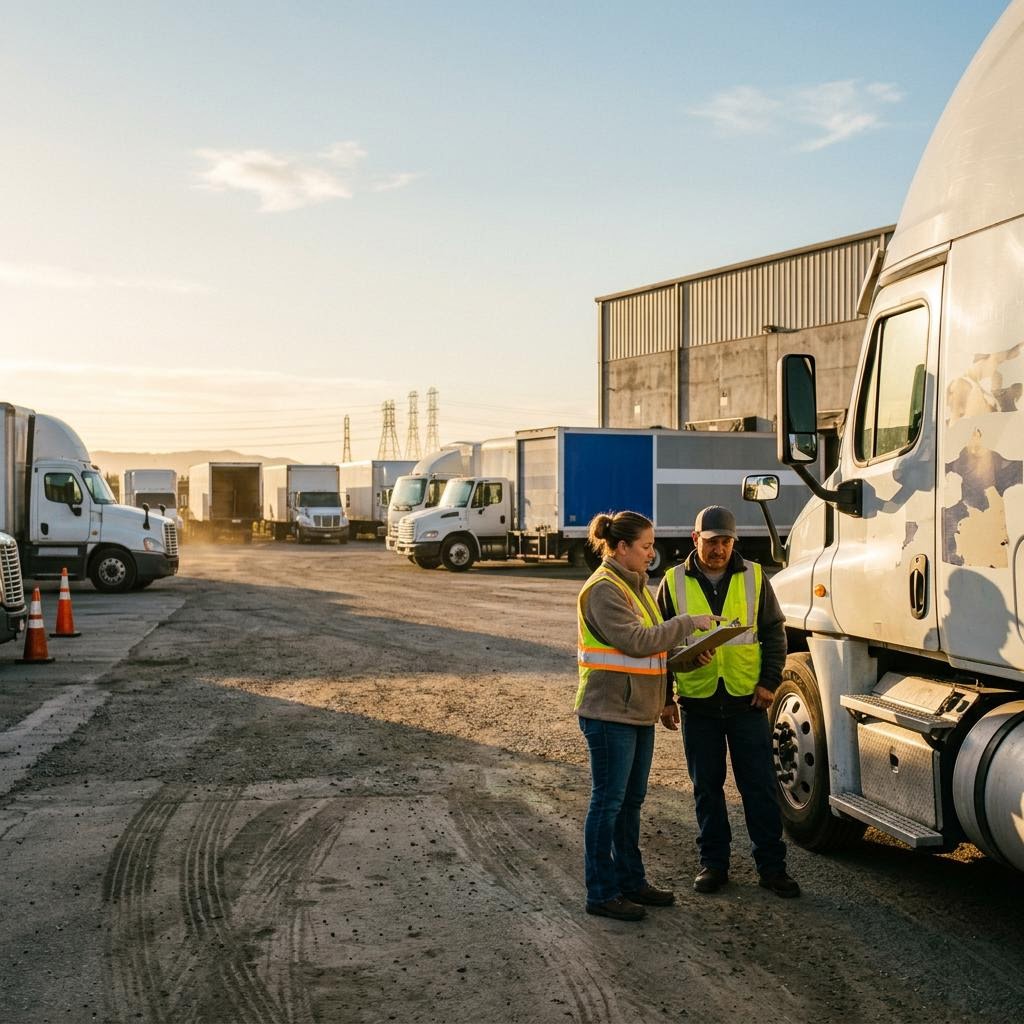
When operating a transportation company near the Thornton Avenue Corridor of Newark, California, evaluating local logistics and connectivity to the broader East Bay is paramount. For trucking fleets and last-mile delivery services exploring sites here, determining whether a location provides a verified strategic advantage is the first step. Regardless of the exact address, the business of moving goods is notoriously demanding on cash flow. Transportation companies face a relentless cycle of high upfront expenses—fuel, maintenance, insurance, and payroll—layered against notoriously delayed payment terms from shippers and brokers.
Operating successfully in this environment requires more than just reliable vehicles and skilled drivers; it requires sophisticated financial management. Whether you are expanding a local delivery fleet, upgrading heavy-duty trucks to meet California's strict environmental regulations, or simply trying to smooth out the jagged edges of a 60-day invoice cycle, securing the right type of capital is essential for long-term viability.
The Thornton Avenue Logistics Hub
Prospective business owners looking at the Thornton Avenue Corridor must verify local zoning allowances to see if a site supports the commercial and industrial mix required for transportation companies. Does the specific property offer adequate, compliant yard space and quick access to major thoroughfares? The businesses that anchor themselves in any logistical hub rely on the ability to deploy assets efficiently.
Yet, maintaining a presence in this corridor involves significant fixed costs. The leasing or ownership of secured yard space, the commercial insurance premiums specific to Newark operations, and the baseline administrative overhead remain constant regardless of whether your trucks are moving or parked. When you factor in the massive variable costs of operating a fleet—chiefly fuel and repairs—the absolute necessity for strong liquidity becomes clear.
When entering a funding discussion, it is important to contextualize your business within this logistical network. A lender needs to understand your specific operational model: are you running dedicated local routes, managing long-haul freight, or providing specialized last-mile logistics? The type of routes you run dictates your cash flow cycle, which in turn dictates the type of capital you need.
Accounts Receivable and Freight Factoring
The most pervasive financial challenge in the transportation industry is the delay between delivering a load and receiving payment. It is standard for brokers and shippers to operate on Net-30, Net-60, or even Net-90 terms. However, your drivers need to be paid weekly, and the fuel pump demands immediate payment.
Freight factoring (or accounts receivable financing) is a specialized financial tool built specifically for this industry reality. In a factoring arrangement, a financial company purchases your outstanding invoices at a slight discount, advancing you the majority of the cash immediately. When the shipper finally pays the invoice, the factoring company releases the remaining reserve, minus their fee.
While factoring provides immediate, vital liquidity, it is essential to manage it carefully. The fees can quickly erode thin profit margins if not monitored. Many mature transportation companies aim to transition from factoring to a traditional revolving line of credit as their balance sheets strengthen, as a line of credit typically offers a lower cost of capital.
Financing New and Used Fleet Vehicles
A transportation company's ability to generate revenue is strictly capped by the size and reliability of its fleet. Furthermore, operating in California requires strict adherence to CARB (California Air Resources Board) emissions regulations, frequently forcing companies to upgrade or replace older vehicles earlier than they might in other states.
Equipment financing is the standard avenue for acquiring new or used commercial vehicles. Because the truck or van itself serves as the collateral for the loan, lenders are often more comfortable extending terms, even to companies that might struggle to secure unsecured working capital.
- Carefully align the loan term with the expected operational life and depreciation schedule of the vehicle.
- Factor in the total cost of acquisition, including necessary retrofits, branding, and required telematics hardware.
- Consider commercial vehicle leasing options, which can offer tax advantages and easier pathways to fleet upgrades.
Managing Fuel and Maintenance Cash Flow
Fuel and maintenance are the massive, volatile variables in a transportation company's budget. A sudden spike in diesel prices or an unexpected engine overhaul on a primary rig can decimate a month's cash flow. Relying solely on the cash in your operating account to handle these shocks is a risky strategy.
A working capital loan or a dedicated business line of credit acts as a critical shock absorber. By establishing a line of credit during a stable period, you ensure that you have access to capital when a crisis hits, allowing you to repair a truck immediately and get it back on the road generating revenue, rather than waiting for invoices to clear.
Expanding Yard and Warehouse Space
As a logistics company grows along the Thornton Avenue Corridor, the need for secure physical space increases. Parking a larger fleet safely, handling cross-docking operations, or storing client inventory requires industrial real estate.
Commercial real estate (CRE) loans and SBA 504 loans are the primary mechanisms for purchasing a logistics facility. Moving from a leased yard to an owned facility stabilizes your largest fixed cost and builds substantial equity. However, industrial properties in Newark are competitive, and the financing process is rigorous, requiring strong historical cash flows and often environmental assessments.
Preparing for the Funding Conversation
The transportation sector is often viewed by traditional lenders as high-risk due to tight margins, regulatory pressures, and asset depreciation. Therefore, presenting a highly organized, professional financial package is non-negotiable.
Lenders will intensely scrutinize your accounts receivable aging report. They need to see that the companies you haul for are creditworthy and pay reliably, even if they pay slowly. Additionally, have your profit and loss statements, tax returns, and a clear breakdown of your fleet's age and maintenance history prepared.
A documented 'Use of Funds' is crucial. Clearly articulate how the requested capital will directly impact the business—whether a new truck will generate $X in new monthly revenue, or a line of credit will allow you to take on larger corporate contracts.
Keeping the Supply Chain Moving
For transportation and logistics companies operating on the Thornton Avenue Corridor, capital is the fuel that keeps the business moving. The goal is to strategically match the financial tool to the specific operational challenge—using factoring or lines of credit for immediate liquidity, and equipment financing or CRE loans for long-term capacity building.
By taking a disciplined approach to borrowing and maintaining pristine financial records, your transportation company can navigate the challenging payment cycles of the industry and build a resilient, profitable operation in Newark’s logistics hub.